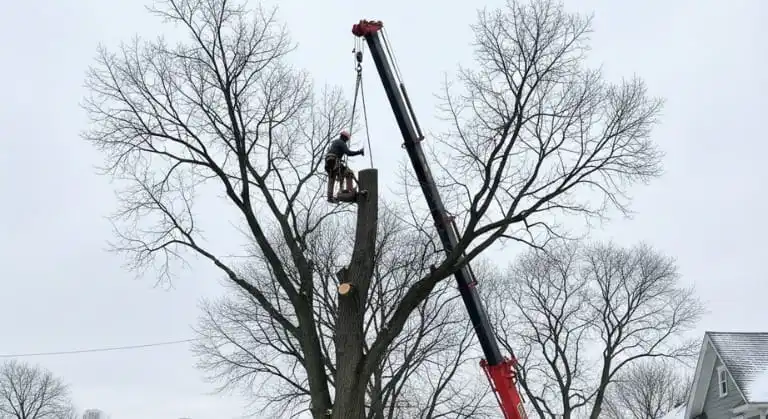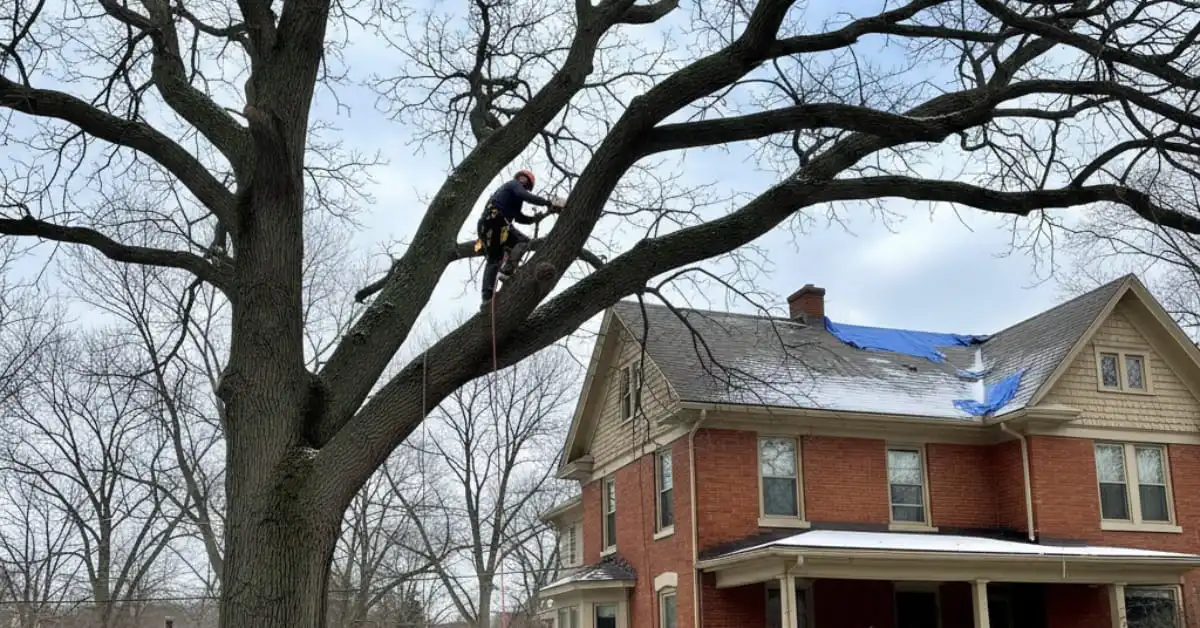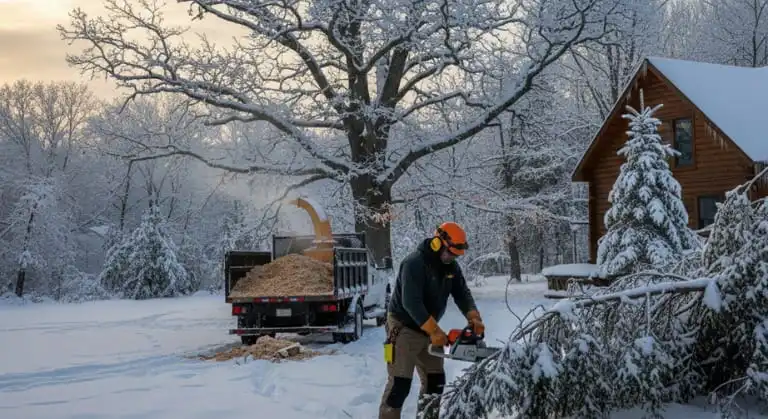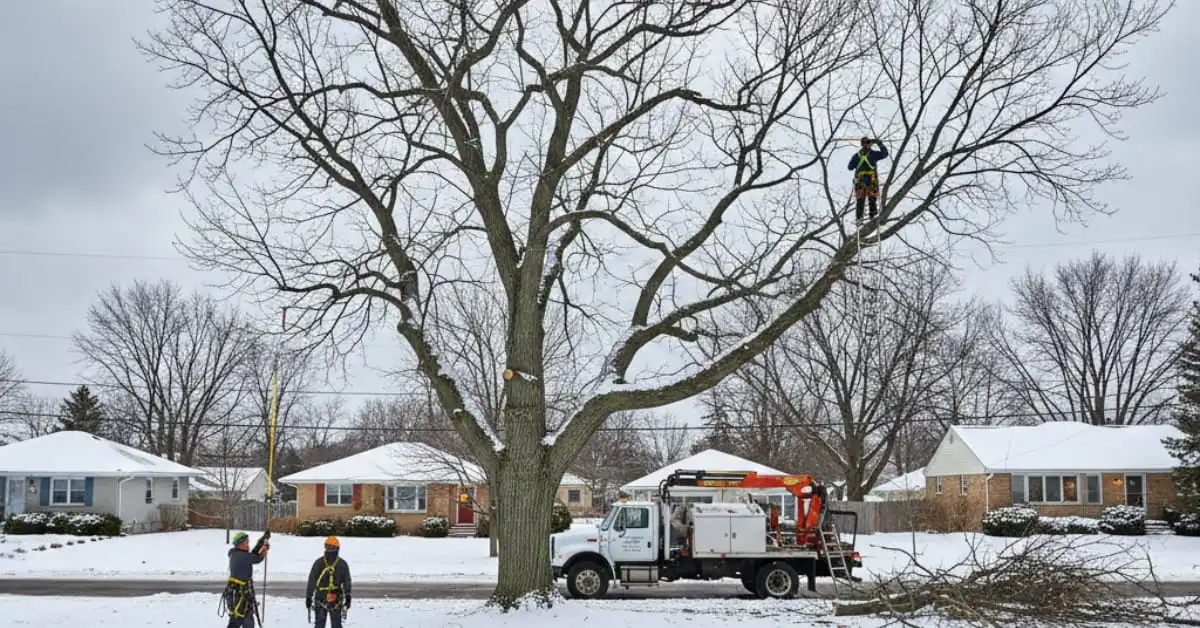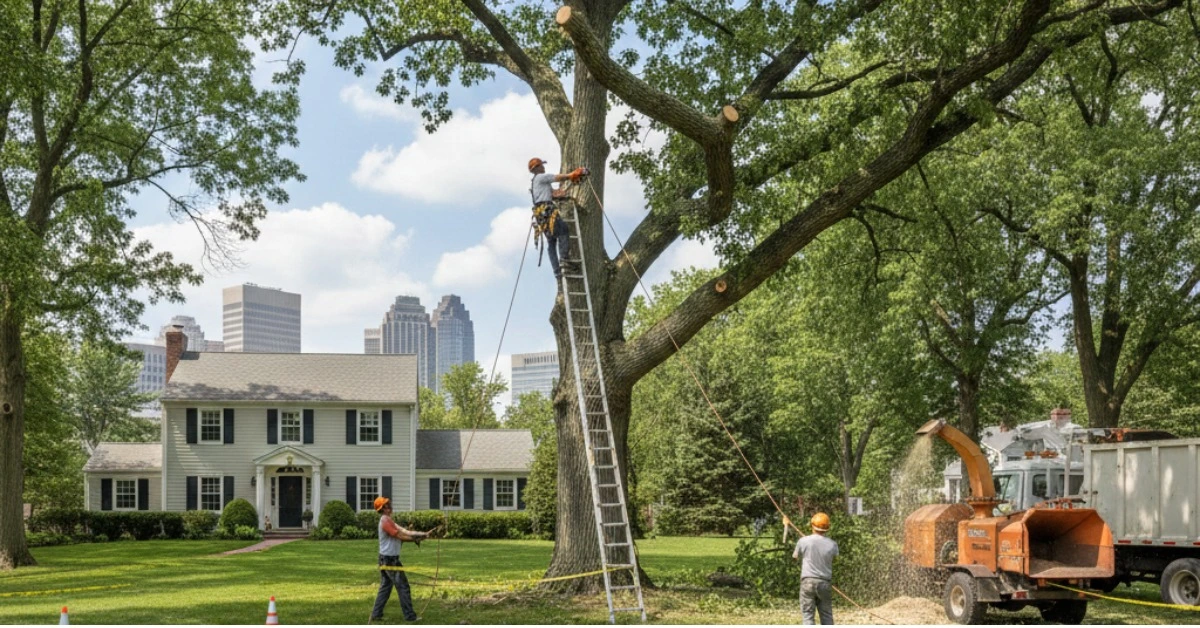
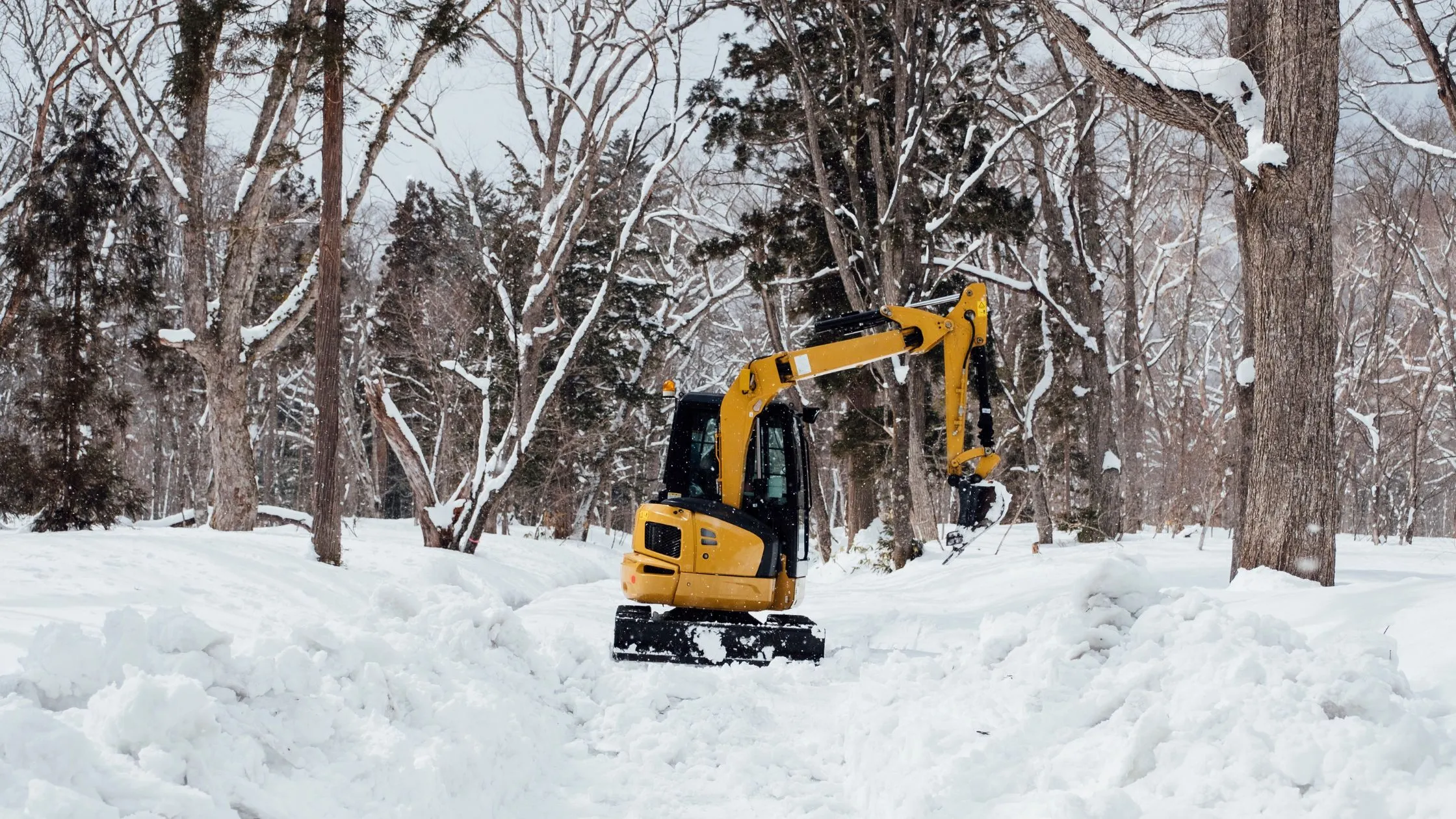
The winter in Williamsville, NY, is extensive, chilly, and unpredictable. Residential trees are subject to lots of stress due to heavy snowfall, ice formation, and strong winds.
Most homeowners would think that trimming of trees can be done after spring, but Williamsville experts will refer to winter as one of the best times of the year when corrective and preventive attention can be done.
Tree trimming in Williamsville is not simply the act of clearing trees of branches; it is the technical procedure that has been founded on particular trimming methods that are applicable in the cold weather and tree dormancy, in addition to structural safety.
The knowledge of these techniques aids in making informed choices and preventing any damage that would otherwise be inflicted by winter storms.
Why Winter Tree Trimming Requires Specialized Techniques
Winter tree trimming is not similar to warm-season trimming since frozen wood does not behave in the same manner. The branches are firmer and may end up breaking when cut improperly.
Most trees are now sleeping, which is in their dormant period; therefore, the energy is stored in the roots instead of growing new tissues. This dormancy gives the possibility of trimming methods to concentrate on building and security in place of growth control.
In the case of tree trimming in the Williamsville plan during winter, the balance between being accurate and being restrained is a must.
Excessive trimming in the dormant period may cause poor spring regeneration, and excessive trimming may result in the remaining trunks becoming dangerous. Techniques are very necessary to prevent winter tree damage and ensure the health of trees in the long run.
Structural Framework Trimming: Correcting Load-Bearing Weaknesses
This is structural framework trimming, which is one of the most critical methods employed in Williamsville for winter tree trimming. This is a technique of detecting weak branch unions, small V shapes in branch angles, and competing limbs capable of failure because of ice loads.
With the windy climate of Williamsville, it is possible to cause vertical weight of snow and lateral stress. The process of structural trimming reallocates this load by eliminating unattached and poorly attached limbs and promoting a balanced branch structure.
The method has been useful, especially in trees that have uneven growth due to years of no restraint.
Structural trimming that is carried out in cold weather tree pruning enables a person to understand the hierarchy of the branch, as well as to eliminate a flaw without the foliage interference. This decreases the chances of massive breakage in case winter storms occur.
Deadwood Identification and Removal in Dormant Trees
The removal of dead wood is more accurate during the winter season since the trees that are not in bloom are characterized by visible signs of death. The dead limbs do not produce buds and are brittle in texture, with many being discoloured or contaminated with fungi.
In residential tree trimming that occurs during winter, the deadwood is given priority as it comes with immediate safety hazards.
When they are dead, branches become very weak if they get frozen. When in a freezing environment, the dead limbs may result in an abrupt collapse and thus be dangerous to the roofs as well as cars and pedestrians. One of the best methods of preventing winter tree damage is to remove deadwood before it happens.
Technically, deadwood cuts should be provided in the correct collar positions. Wrong cuts can expose the rest of the healthy tissues to rot.
Crown Thinning: Managing Snow and Ice Accumulation
The process of thinning the crown is a selective method of eliminating the branch density without changing the shape of the tree. In winter tree trimming in Williamsville, snow load are major concerns, which necessitates crown thinning.
Thick canopies entrap the snow and add more mass to each branch. Crown thinning eliminates smaller interior branches, and this allows the snow to move through instead of building up. This decreases stress during bending and eliminates the chance of splitting.
In comparison to topping, which is destructive and delicate to trees, crown thinning does not affect structural integrity. The ability to provide competent work in tree trimming services will ensure that a maximum percentage of the canopy is not taken away, and the tree does not lose its energy resources, but rather becomes more resilient to winter.
Reduction Trimming for Storm Resistance
Reduction brings the length of the selected branches down to reduce leverage and wind resistance. During the winter, there is a sparsity in this technique and strategy. Elongated limbs serve as a levered force when subjected to snow and wind forces, which heightens the likelihood of failure at the joint of attachment.
When trimming Williamsville trees, the reduction cuts will be done to the lateral branches that can take the terminal position. This maintains the natural growth patterns and reduces mechanical stress.
Trimming reduction is particularly useful in and around buildings, power lines, and roads. It enables homeowners to minimize risk without necessarily cutting the trees to the root, which enables them to manage the cost of trimming trees and preserve the look of the trees.
Importance of Proper Cut Placement in Cold Weather Conditions
Cut placement is one of the most technical components of cold-weather pruning of trees. Wood that is frozen may crack when it is cut in a hurry or at the wrong place. Sharp tools of the right size are used by professionals in order to create clean cuts with a minimum amount of shock.
The cuts are never made inside the branch collar, as it has special tissue that naturally heals wounds. During winter, this tissue is inactive until spring, and proper placement is even more significant in winter.
Inappropriate cuts might result in delayed healing and rotting. Flush cuts and stub cuts should be avoided completely, as they affect the capacity of the tree to get on its feet once the temperatures increase. It is this accuracy that characterizes the difference between professional work and dangerous DIY work.
Managing Crossing, Rubbing, and Competing Branches
Branch crossing and rubbing cause injuries in winter storms. Snow loads cause changes in the positions of the branches, making them frictional, peeling off the bark, and revealing the inner tissue. Tree trimming in Williamsville is the solution to deal with these problems before they arise.
Professionals determine which one is better placed structurally and eliminate the less favorable or weaker one. This enhances spacing and friction and improves airflow. When these issues are fixed in the dormancy phase, it keeps stress levels to a minimum and reduces tree trimming and pruning costs.
This is a method that is of particular significance to mature trees found in older Williamsville neighborhoods.
Tree Trimming vs. Pruning in Winter Explained Clearly
The question that is mostly asked by homeowners is What is the difference between trimming and pruning a tree in winter. Trimming aims at structural balance, safety, and clearance, whereas pruning is aimed at eliminating the diseased or dead tissues.
These practices greatly coincide in winter. Winter tree trimming frequently incorporates pruning cuts since trees that are dormant can withstand removals for health reasons. The reason why winter services are more detailed than seasonal touch-ups is understood through this overlap.
Professional Winter Techniques vs. DIY Risks
The conditions during winter pose a considerable risk to DIY trimming. Frozen extremities are more cumbersome, changeable, and most likely to be broken abruptly. Flooded floors and frozen ladders are contributors to risk.
Controlled rigging and cold-rated equipment, as well as winter-specific trained techniques, are all used by professional tree trimming services. Branch Specialists are aware of the influence or impact of temperature on wood tension and cut behavior, and hence deliver safe and efficient outcomes.
Trying DIY winter pruning usually results in incorrect pruning, harm to the structure, and an increase in the overall cost of trimming trees later on because of the need for later remedial action.
Local Factors Affecting Tree Trimming in Williamsville, NY
The high snowfalls in Williamsville, the level of trees, and the density of the population of residential houses demand localized methods of trimming. The professionals of tree services in Williamsville, NY, should take into account the rooflines, sidewalks, and local bylaws when organizing winter work.
Since the storm may occur at any time, the proactive trimming of trees in Williamsville will minimize emergency cases and allow the homeowners to prevent mid-winter risks.
Conclusion
Winter tree trimming in Williamsville is a technically challenging process that is based on specific techniques at a certain season. The trimming of the structure, removal of deadwood, and thinning of the crowns, reduction cuts, and the correct placement all combine to conserve trees during severe winters.
Properly done, winter pruning makes trees stronger, less damaged by storms, and helps in healthy spring growth. Homeowners can also hire seasoned professionals, such as Branch Specialists, so that they can have their trees ready to overcome the winter season with tree trimming in Williamsville without damaging the long-term health and safety.
FAQs
Q1:Do you offer winter tree trimming?
Yes, Branch Specialists offer affordable tree trimming and pruning services with scientific techniques and professional equipment.
Q2:Is winter a good time to trim trees in Williamsville to aid in avoiding storm losses?
The appropriate methods greatly curb snow and wind breakage.
Q3:When should you trim trees in winter in NY?
The best results are achieved during late winter, before the spring growth commences.